
What nitric oxide actually does in the brain
Nitric oxide (NO) is a signalling molecule produced continuously by the cells lining your blood vessels. When a brain region becomes more active, nearby endothelial cells release NO, which tells surrounding smooth muscle to relax. The vessel widens, blood flow increases, and active neurons receive more of the oxygen and glucose they need.
This localized, on-demand regulation happens throughout the brain constantly. The precision of this routing system is a large part of what makes fast, accurate recall possible.
Why this system matters more as you age
Nitric oxide production depends on L-arginine, which your body converts into NO via an enzyme called nitric oxide synthase. As you age, blood vessel cells become less responsive to NO signalling, and circulating arginine can decline. The combined effect is a gradual reduction in how efficiently your brain directs blood flow to where it's needed.
Key point: Research consistently links impaired cerebral blood flow regulation with early markers of age-related cognitive change, including slower processing speed.
Why L-Arginine and L-Citrulline are paired
L-Arginine is the direct substrate for nitric oxide synthase, but arginine taken alone is partially metabolized before reaching circulation. L-Citrulline solves this by converting back into L-arginine in the kidneys, largely bypassing that loss. Used together, the two compounds sustain elevated nitric oxide production longer than either alone.
Where Niacin fits in
Improved blood flow only helps if neurons can actually use the oxygen and glucose delivered. Niacin (Vitamin B3) is essential for NAD+ synthesis, the coenzyme that powers cellular energy production, and it independently supports the fine capillary network that determines how efficiently nutrients reach individual neurons.
The protective layer: Beta-Alanine and carnosine
Beta-Alanine raises carnosine levels — a natural antioxidant that neutralizes free radicals generated during normal cellular metabolism. Over years, unchecked oxidative damage contributes to the gradual decline in neuron function associated with aging; carnosine is part of the body's defense against that process.
Setting realistic expectations
None of these mechanisms work instantly. Vasodilation-supporting compounds typically show measurable circulatory effects within weeks; downstream cognitive benefits build gradually as circulation and cellular energy support compound over 4-8 weeks. Consistency matters more than any single dose.
Who tends to notice the effect most
Research on nitric-oxide-supporting compounds shows more pronounced effects in people who start with some degree of age-related vascular stiffness, compared to younger adults with optimal baseline circulation. The more room there is for improvement, the more measurable the change tends to be.
Hydration as a supporting factor
Blood volume and viscosity both affect how efficiently nitric-oxide-driven vasodilation improves actual flow. Even mild dehydration thickens blood slightly, partially offsetting the benefit of wider vessels — a simple, free complement to any circulation-focused approach.
How cerebral blood flow changes are detected
Cerebral blood flow changes are measurable with tools like transcranial Doppler ultrasonography, which tracks velocity in major cerebral arteries in real time, and fMRI studies showing regional flow changes during cognitive tasks. This is what separates the nitric oxide pathway from mechanisms that are plausible but never actually tracked to the brain — the link from L-Arginine to nitric oxide to cerebral vasodilation to improved neural supply is documented at each step.
Building this into a daily habit
Because the benefit compounds with consistent use, the practical challenge is less about the biochemistry and more about remembering to take it every day. Pairing a capsule with an existing habit — brushing your teeth, making coffee, sitting down at your desk — removes the daily decision and turns intake into something automatic rather than something you have to remember.
Individual variation in response
Not everyone responds to nitric oxide pathway support equally. People with already-healthy endothelial function and high baseline cerebral blood flow may notice less change than those with some degree of age-related vascular stiffness. This matches the broader research pattern, where the most significant effects are observed in populations with some degree of vascular dysfunction rather than optimal baseline health — which is also why a full 60-day trial matters more than a two-week impression.
What consistent use actually looks like
The most common reason a supplement trial fails isn't ineffectiveness — it's inconsistency. Taking something for three days, forgetting for a week, then resuming tells you almost nothing, since the mechanisms described here depend on sustained substrate availability rather than a single dose. The practical fix is habit anchoring: take the capsule at the same point in a meal you already eat daily, keep the bottle somewhere visible, and note the start date so you have a clear point to evaluate from at 60 days.
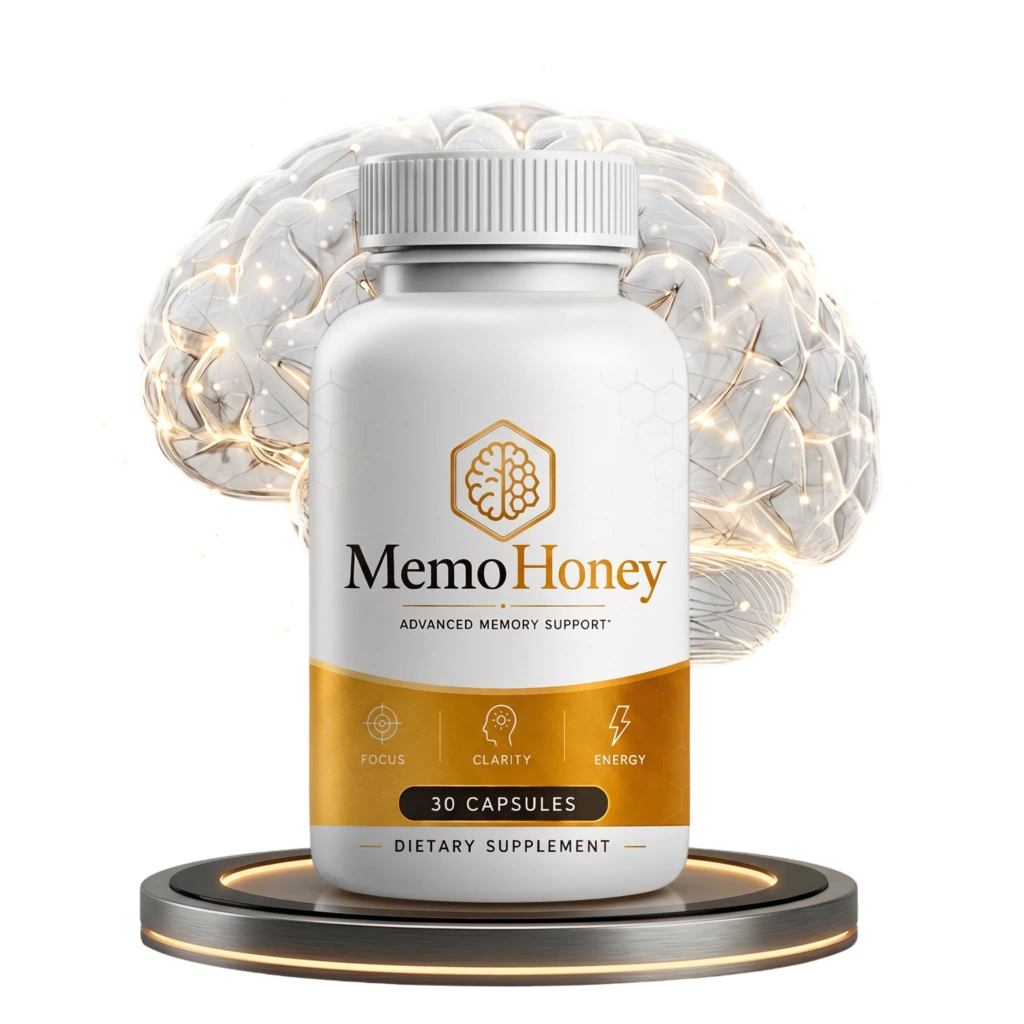
Six Nutrients, One Daily Capsule
Stimulant-free. Non-GMO. Made in the USA. 60-day guarantee.
Order Now